
Mycomysticism is a modern religious tradition centered on the ceremonial encounter between humanity and the sacred through psilocybin mushrooms. The word is composed of two parts: "mykos," the ancient Greek word for "mushroom," and "mysticism," a designation for a tradition of direct experience of the sacred, as opposed to theoretical theology.
I coined this word myself, in one of my early ceremonial works. It appeared as a ready-made word—one that perfectly describes what we do. The mushroom as a path to mystical experience. Not a drug, not a medicine, not a pastime. A sacred mediator between the human and that which is greater than the human.
Mycomysticism continues a very ancient lineage. Siberian shamans have worked with fly agaric and psilocybin mushrooms for thousands of years. The Mazatecs in Mexico preserved the tradition of veladas with mushrooms of the genus Psilocybe—and it was through this tradition, thanks to Gordon Wasson's visit to María Sabina in 1955, that the Western world rediscovered the power of these mushrooms. The Native American Church conducts legal rituals with peyote. Santo Daime and União do Vegetal in Brazil practice ayahuasca.
Mycomysticism is a new link in the same chain. A modern global religious community working with psilocybin mushrooms within the framework of American religious freedom laws.
By 2023, I had over twenty years of working with the subconscious as a hypnotherapist and three years of in-depth work with traditional communities in Ecuador and Mexico. I had conducted hundreds of ceremonies with various teachers. I had seen how the classical Mazatec velada works, how Santo Daime and União do Vegetal sessions are structured, and how peyote ceremonies are conducted in the Native American Church.
These traditions—each in its own way—gave me a great deal. But I didn't belong in any of them. I wasn't raised in a Kichwa or Tsachila community, and I would never have become a hereditary shaman. I wasn't raised in Brazil to be part of the Santo Daime. I was a Westerner, trained in hypnotherapy, who found something in traditional ceremonies that no Western psychology could offer.
[NEXT – Pavel: what exactly was the turning point – what ceremony, what experience, what thought? When did it become clear that we needed to create our own movement, rather than remain an eternal student of someone else's tradition.]
On November 10, 2023, I incorporated Mushroom Church, Inc., a religious organization in Florida whose ceremonial practices are protected by the Religious Freedom Restoration Act. That was the formal date. But the true founding date of Mycomysticism was earlier: the moment I realized this teaching needed a proper name.
[NEXT – Pavel: a story about the moment when the word "Mycomysticism" came to him. It was in one of the early ceremonial works. What he saw, what he understood.]
Several things distinguish Mycomysticism from other modern religious movements working with entheogens.
First, we work with psilocybin mushrooms—not ayahuasca (like Santo Daime and União do Vegetal) or peyote (like the Native American Church). This is a conscious choice. Mushrooms are the most ancient entheogen known to humanity. Archaeological evidence of their use in religious rituals exists on every continent except Antarctica. Mushrooms are the meeting point of all ancient traditions.
Secondly, our team includes professional hypnotherapists who understand how the subconscious works and how to navigate altered states of consciousness. This is a rare combination: most ceremonial movements are based on purely religious or anthropological principles. Mycomysticism combines ancient tradition with a modern understanding of the psyche.
Thirdly, we have a well-established system of integration. The ceremony itself is only the middle of the process. Before it, there's serious preparation. After it, there's extensive work on integrating the experience, so that what happened in the ceremony becomes part of everyday life, rather than remaining a distant memory. This is perhaps the main practical difference from retreats and sessions conducted in the "arrive, experience, and leave" style.
Mycomysticism is based on three principles that only work together.
These three parts are not a sequence of modules, but a single cycle. Mycomysticism only works when all three parts are built and completed in their entirety.
Mushroom Mysticism is legally incorporated as Mushroom Church, Inc., a religious organization incorporated in Florida in November 2023.
The Mushroom Church's ceremonial practices are protected by the Religious Freedom Restoration Act (1993) and the First Amendment to the U.S. Constitution. The legal basis for this protection is the 2006 U.S. Supreme Court case of Gonzales v. O Centro Espírita Beneficente União do Vegetal, a unanimous decision recognizing the religious community's right to the ritual use of entheogens in the United States.
This isn't a legal gray area or an exploitation of a loophole. It's the same legal framework that the Native American Church (with peyote), União do Vegetal, and Santo Daime (with ayahuasca) have operated under for decades. There are numerous registered religious organizations in the United States whose practices are recognized and protected by law. Mycomysticism is one of them.
Over the years of Mycomysticism's existence, I have written several texts that form its basis.
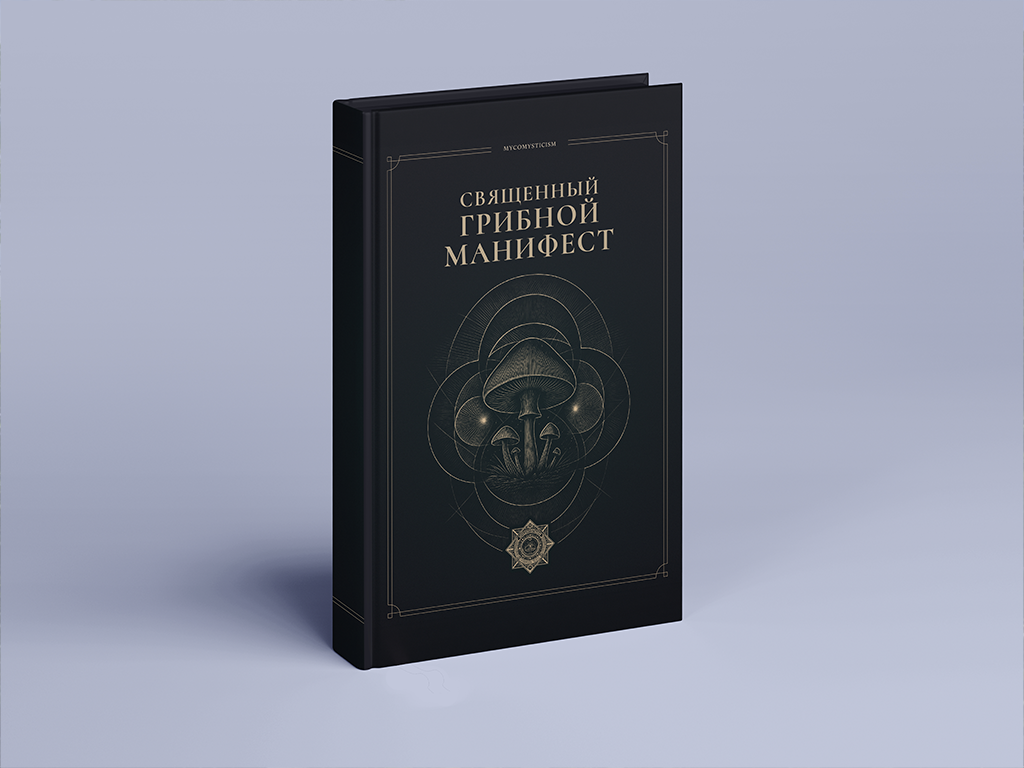
The movement's founding text. It outlines the key ideas of Mycomysticism, its place in the history of religious traditions, and the principles by which its practice is based.
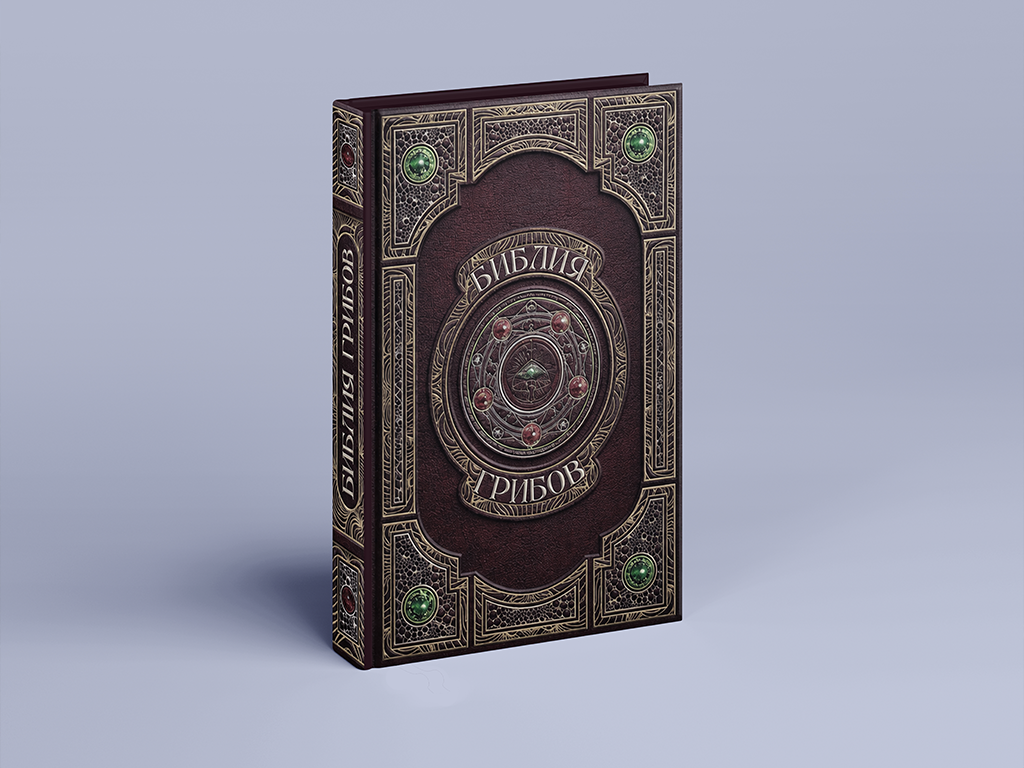
An expanded exposition of the teachings, more detailed than the Manifesto. A book for those who want to delve deeper.
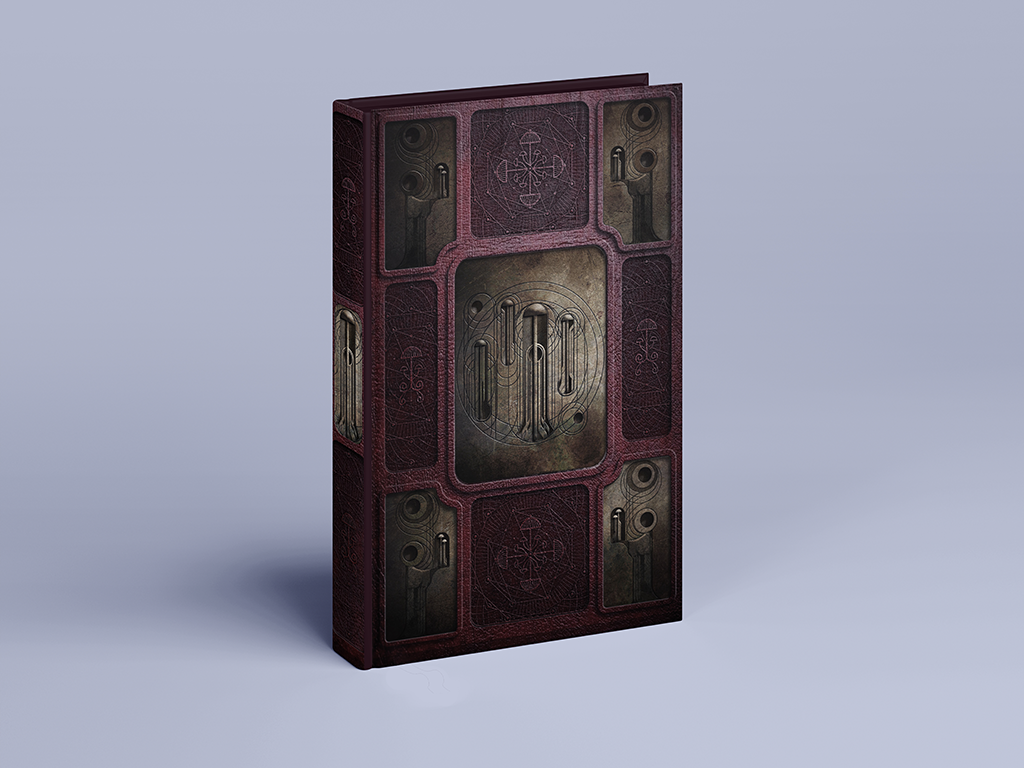
The movement's ethical and ritual code. Ceremonial rules, guide responsibilities, participant rights, and community principles.
Additionally, there is a series of letters and essays written at different times and on various occasions. They complement the main books and answer specific questions from practitioners.
The legal basis for Mycomysticism is in the United States—in Florida, where Mushroom Church, Inc. is registered. The ceremonial work itself takes place in several countries, each based on its own laws regarding sacred plants and mushrooms.

Legal/open use

Decriminalized/gray area

Medical/therapeutic use
In each country, we operate within a clear legal framework. Mycomysticism is not an underground practice, and one of its pillars is precisely legal purity.
If you want to learn more about Mycomysticism, there are several ways.
Read the teachings. The Mushroom Manifesto is the best starting point. It's available in our Books section.
Explore the movement's operating site. mycomysticism.org — detailed information about the ceremony structure, the team, the geography of the work, the retreat format, and who Mycomysticism is for. A confidential form for initial inquiries is also available.
To provide the best user experience, we use technologies like cookies to store and/or access information on your device. Consenting to these technologies will allow us to process data such as browsing behavior or unique identifiers on this site. Refusing or revoking consent may adversely affect some of the site's features and functionality.